MACQUARIE ISLAND
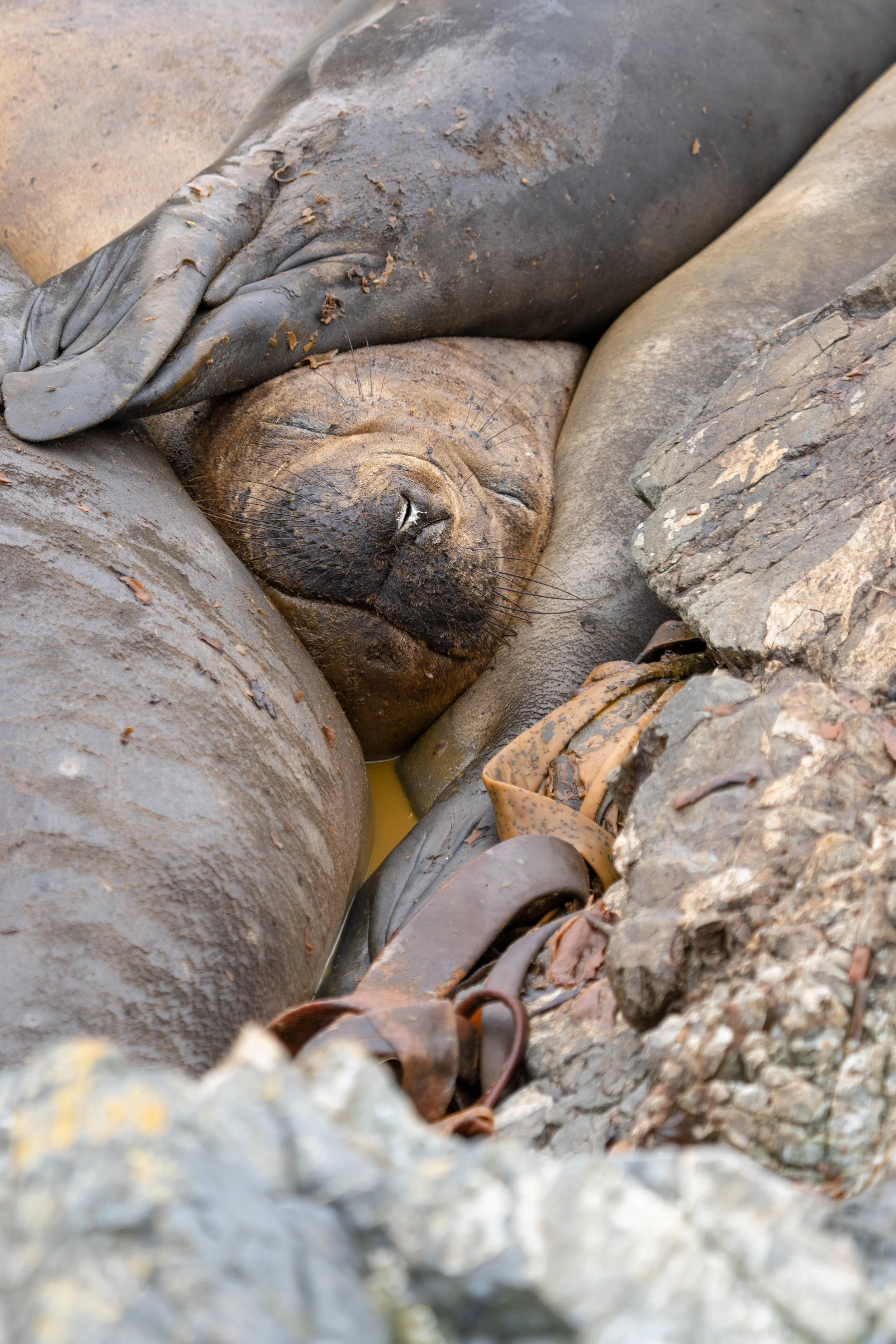
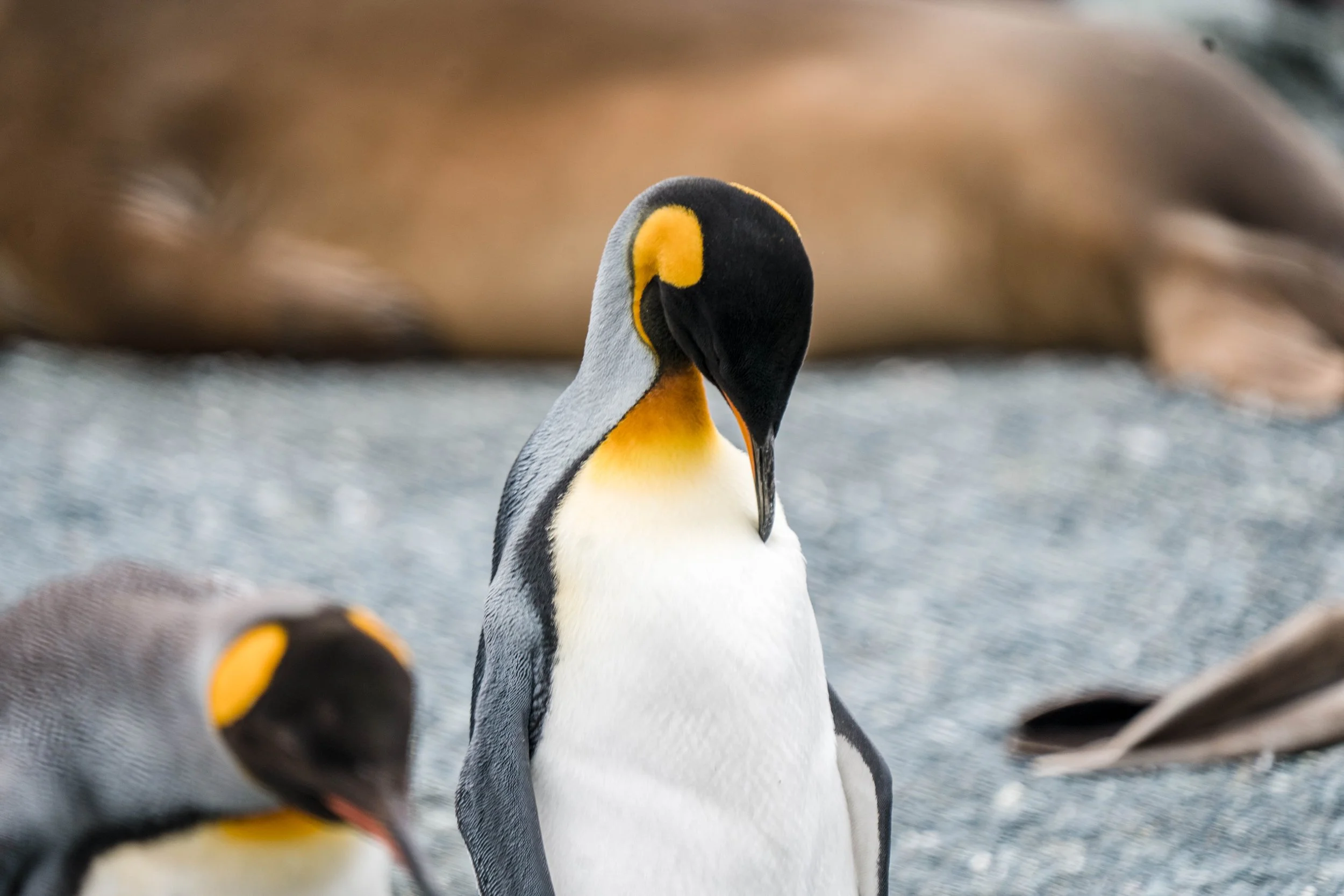
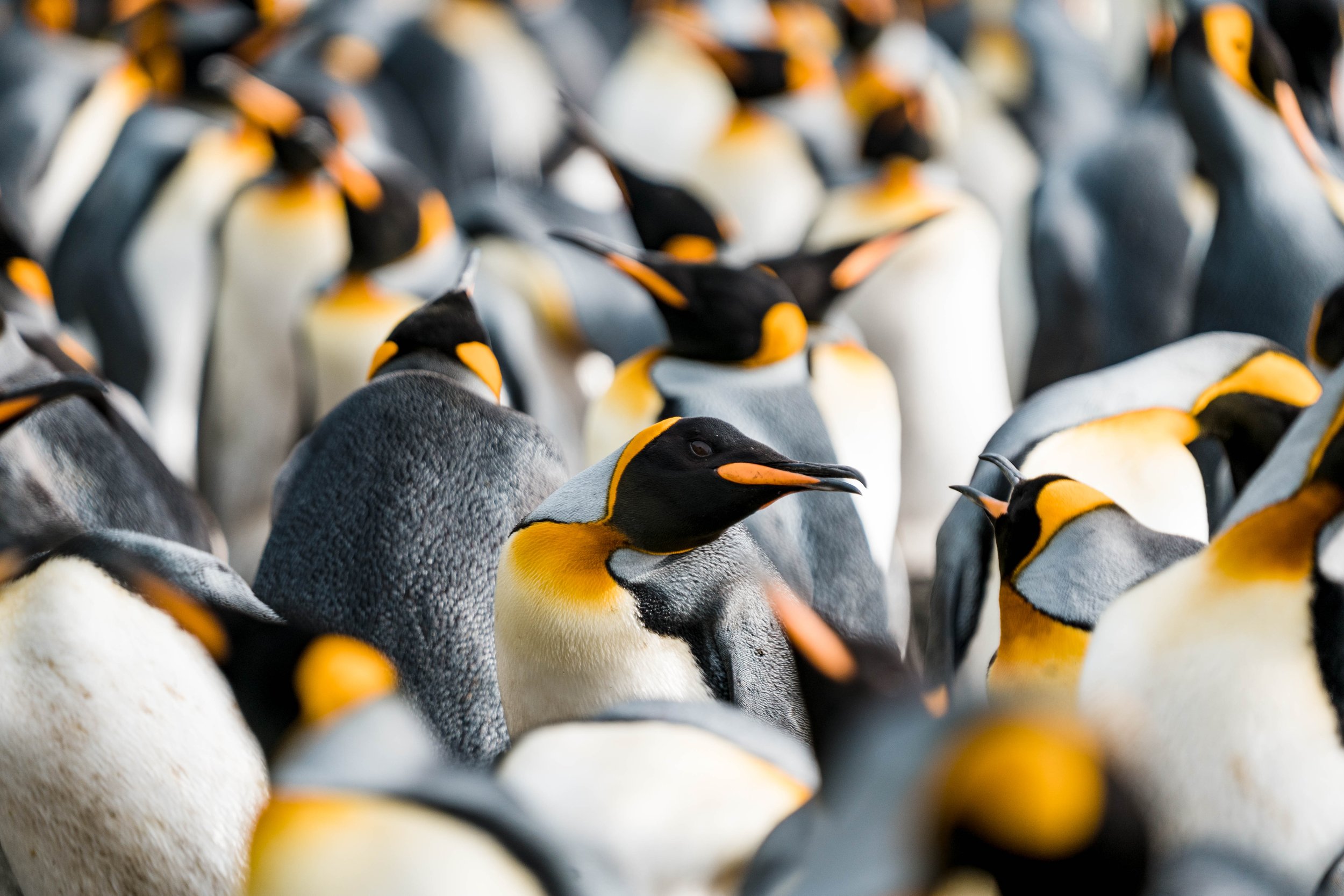
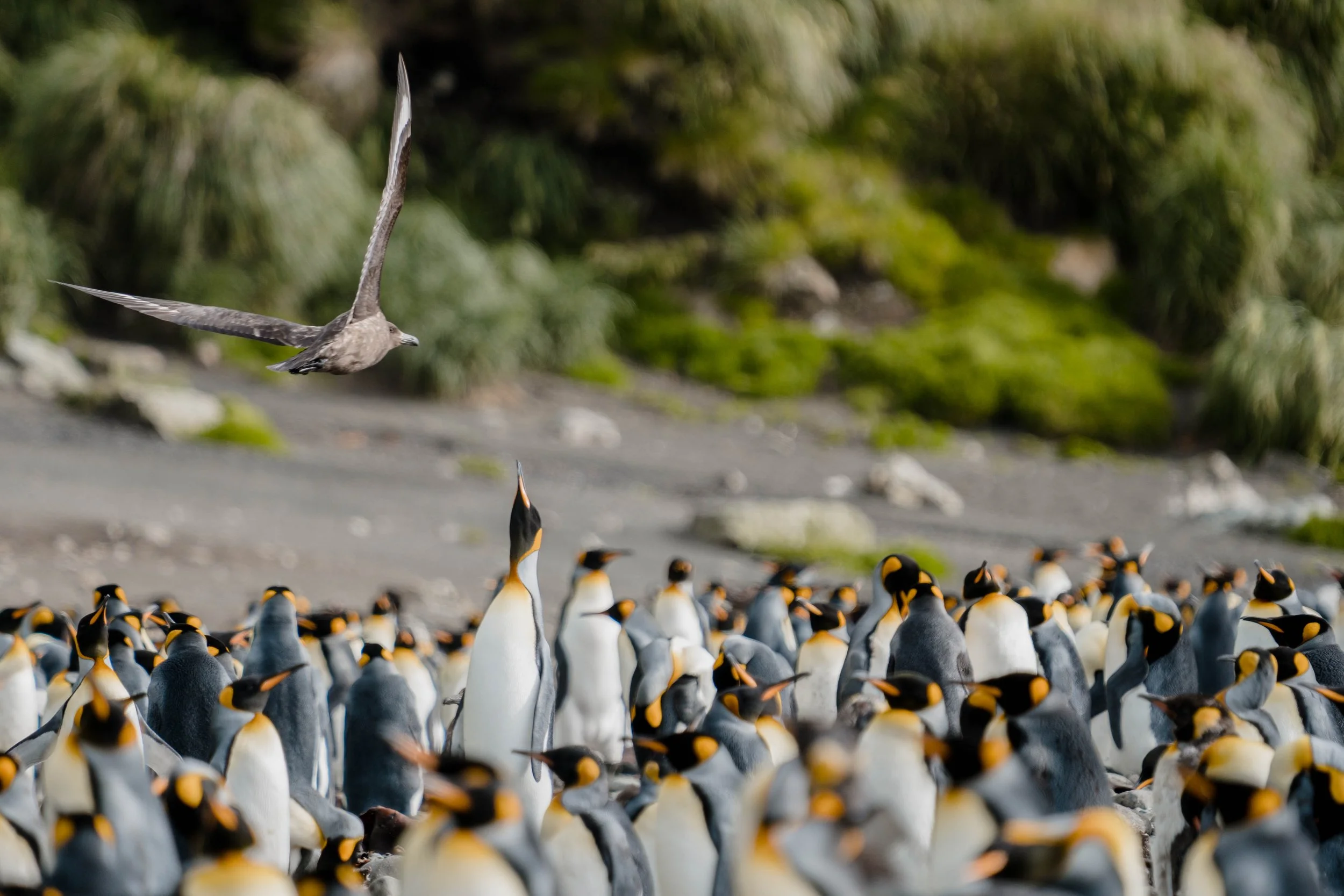
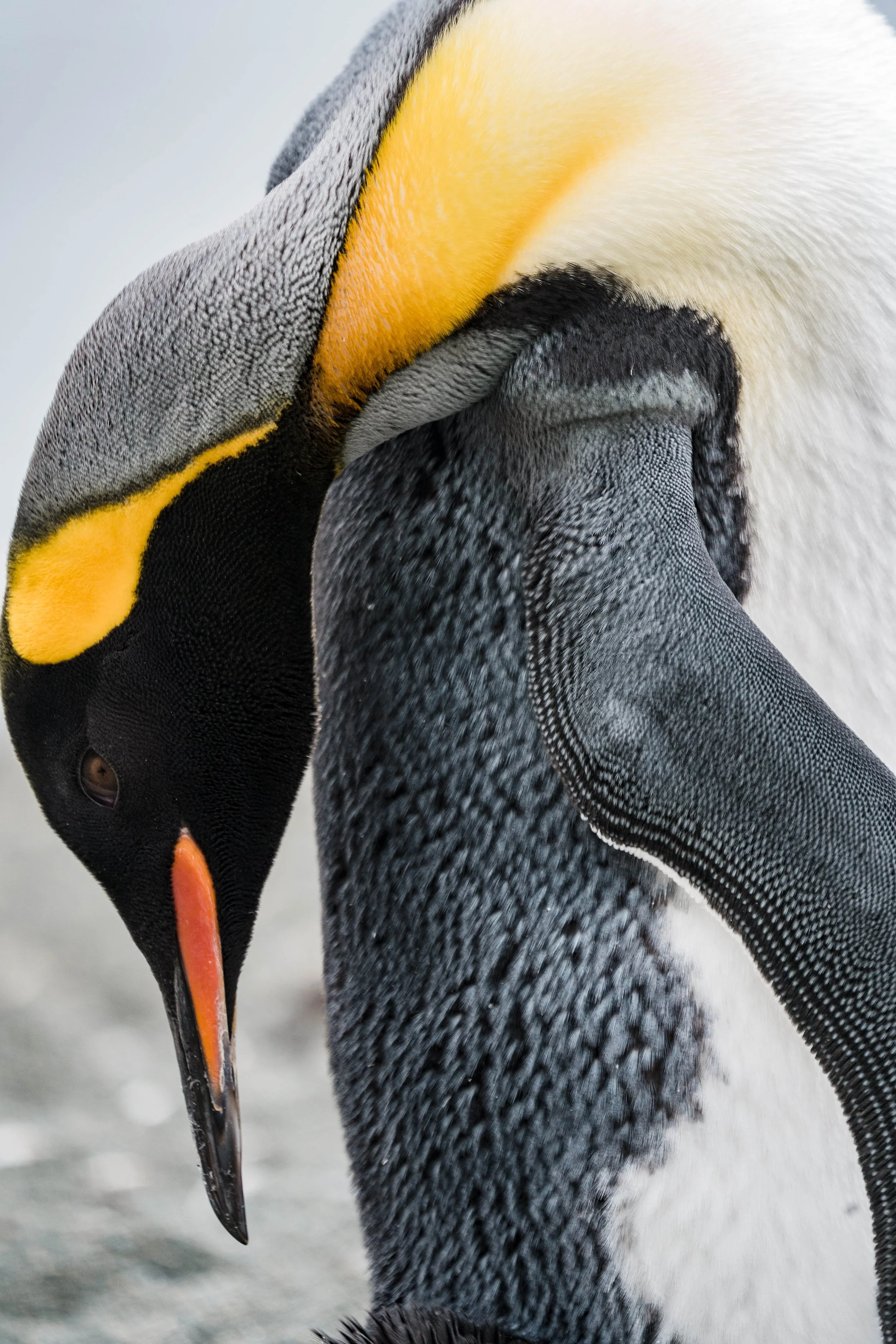
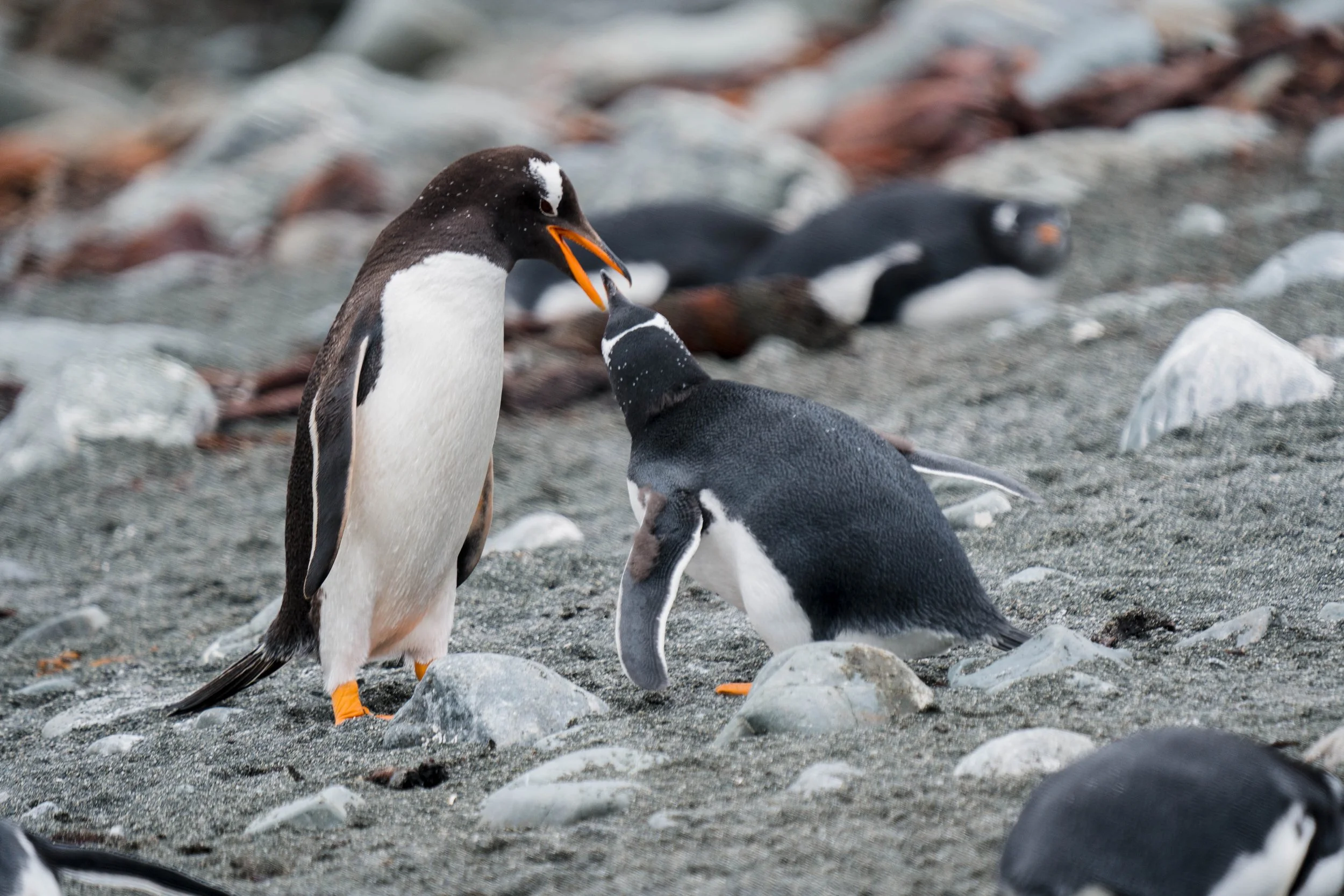
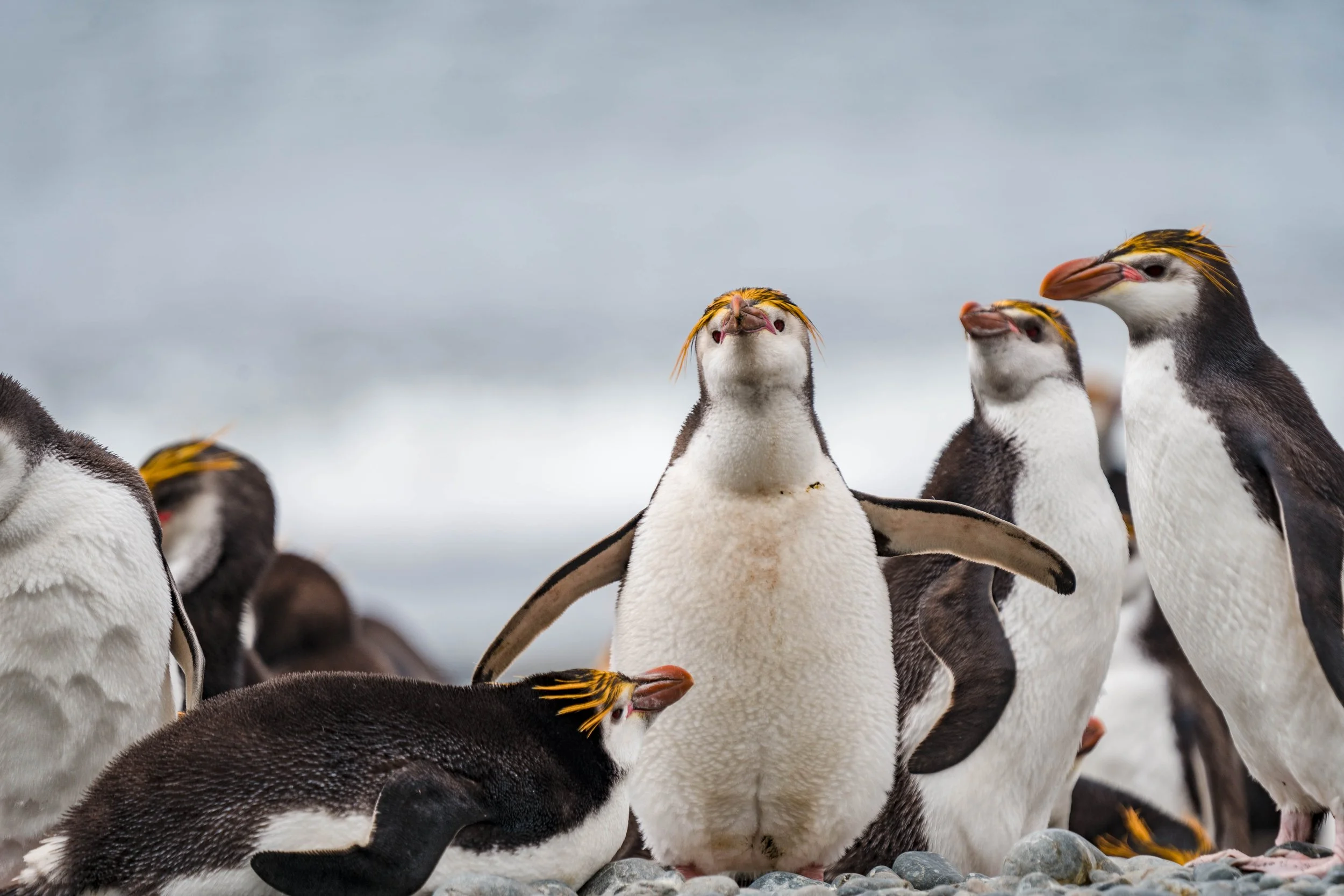
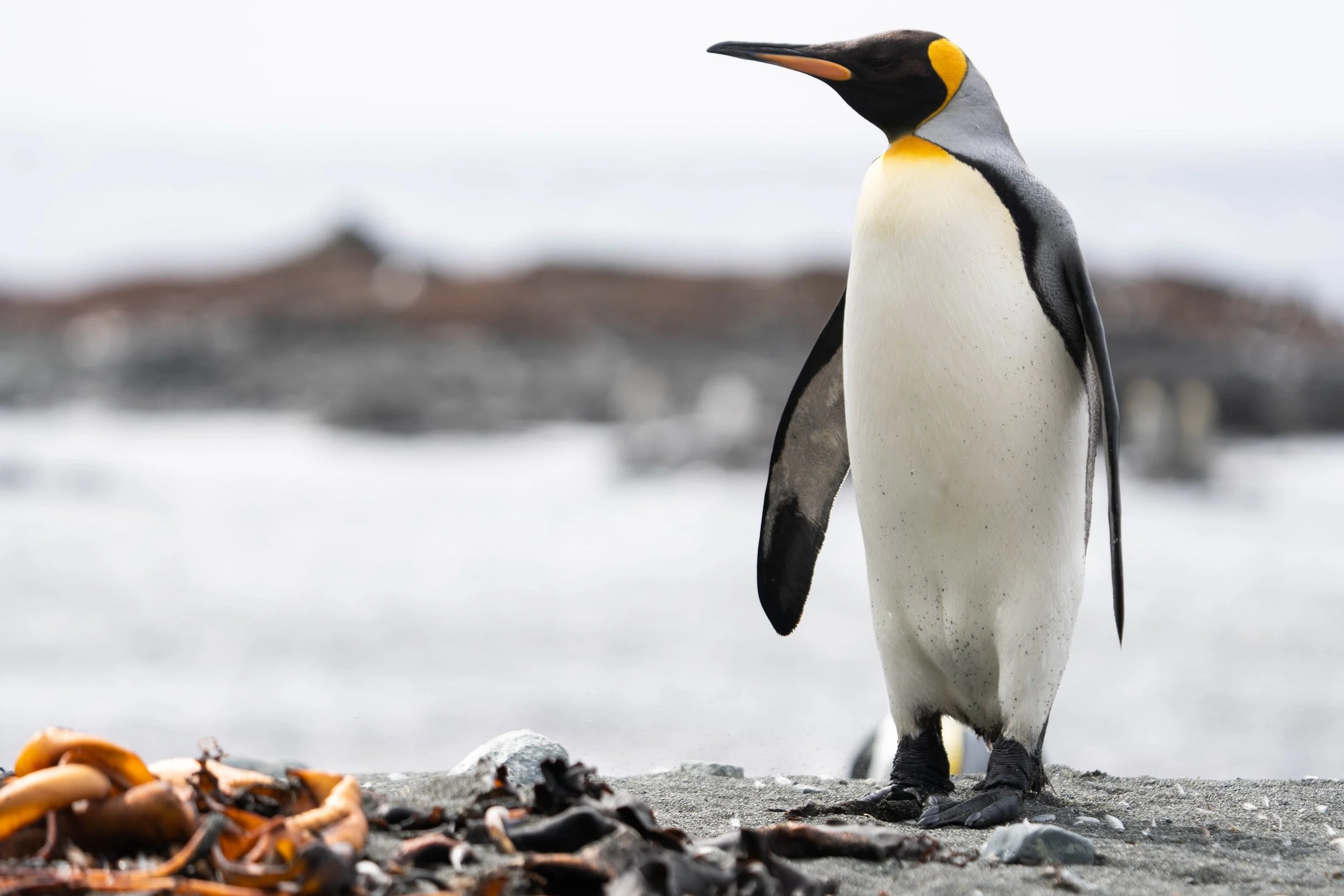
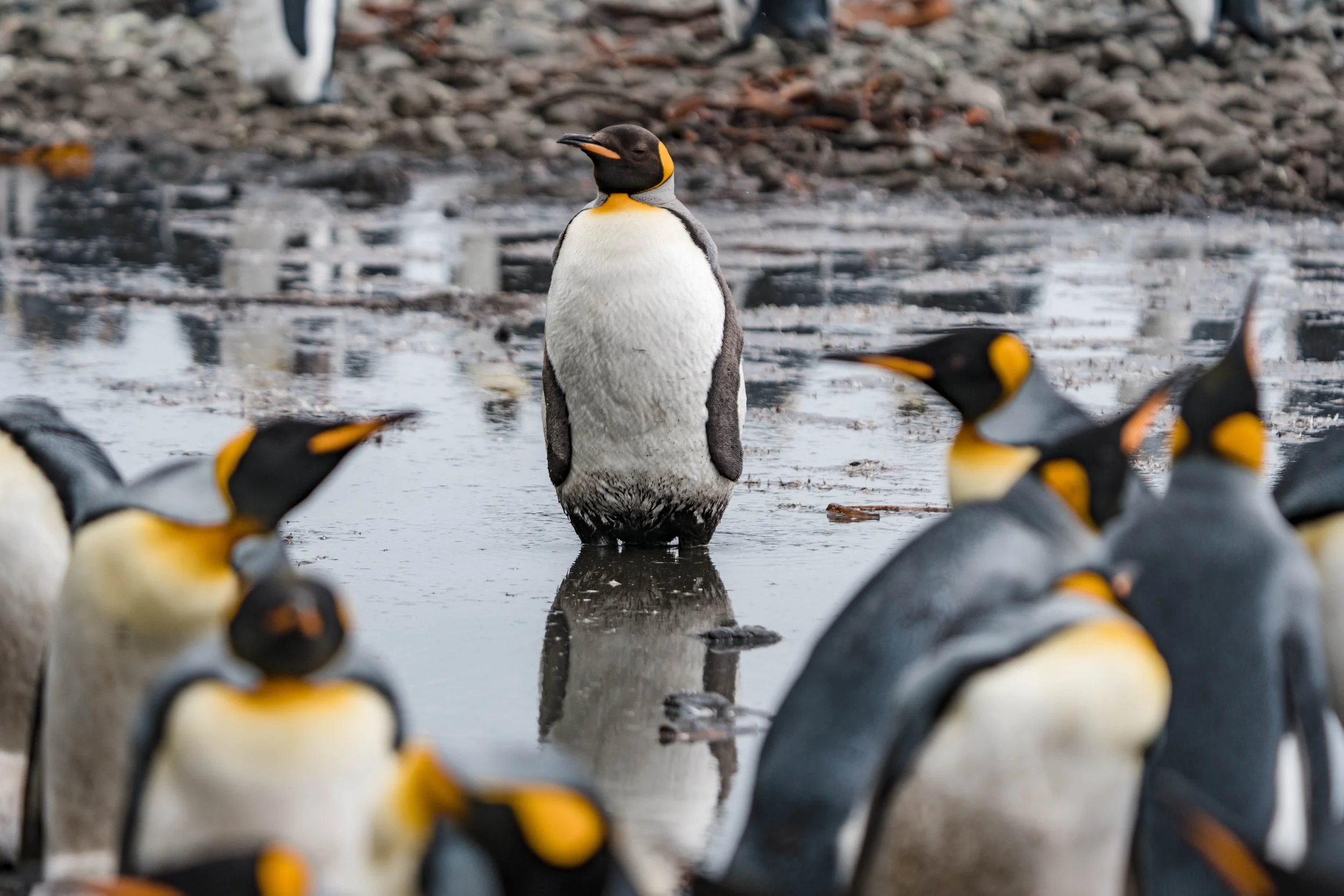
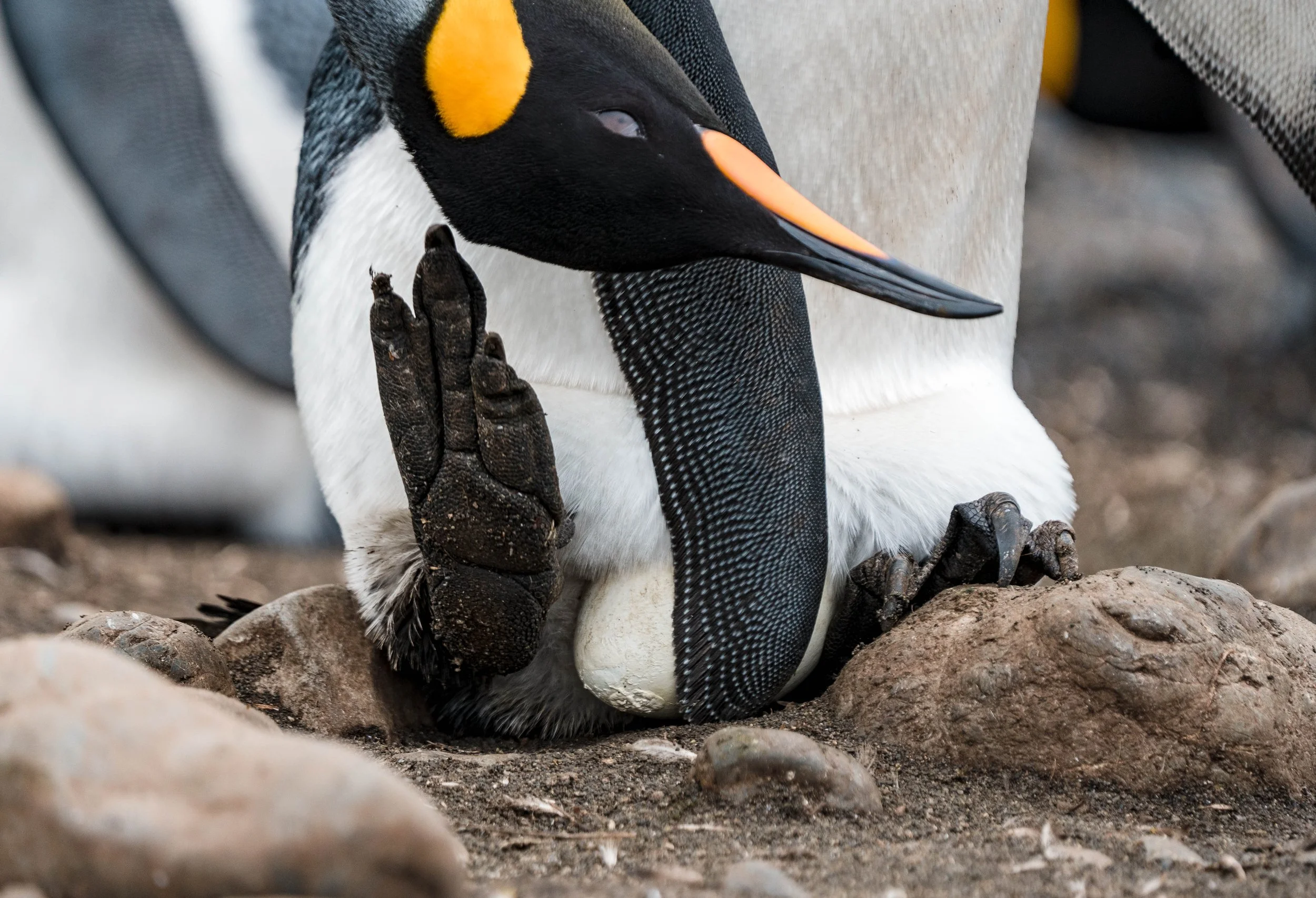
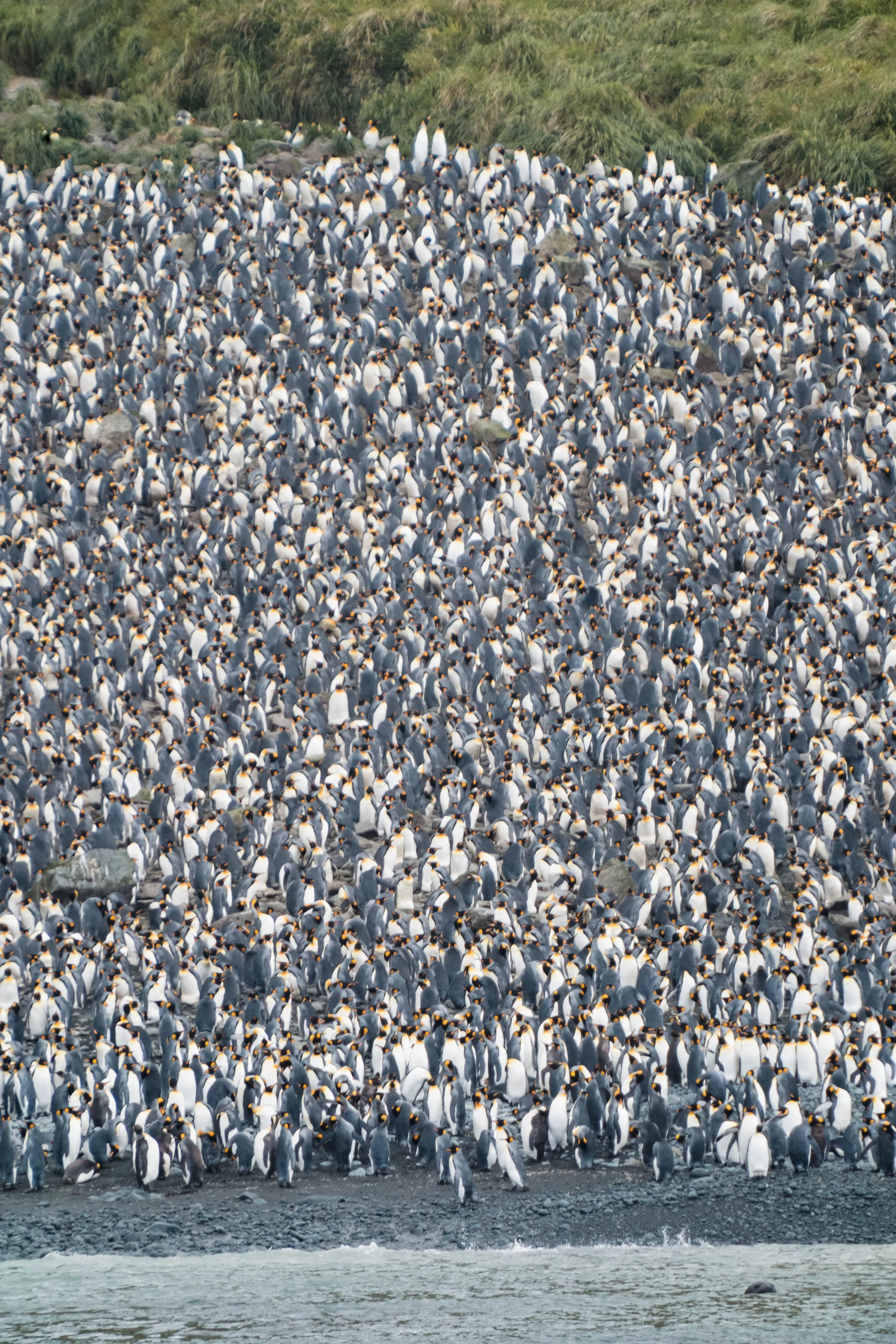
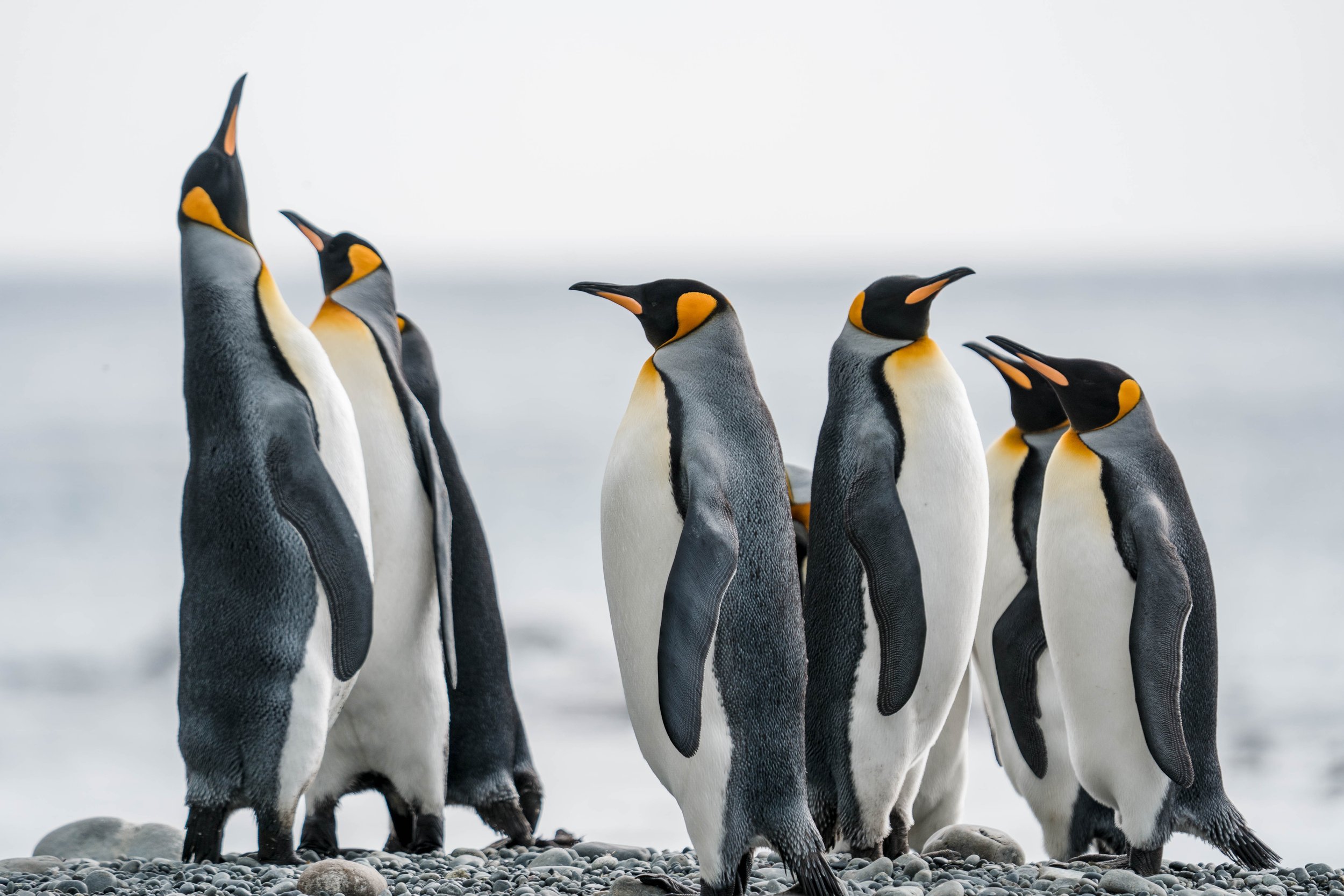
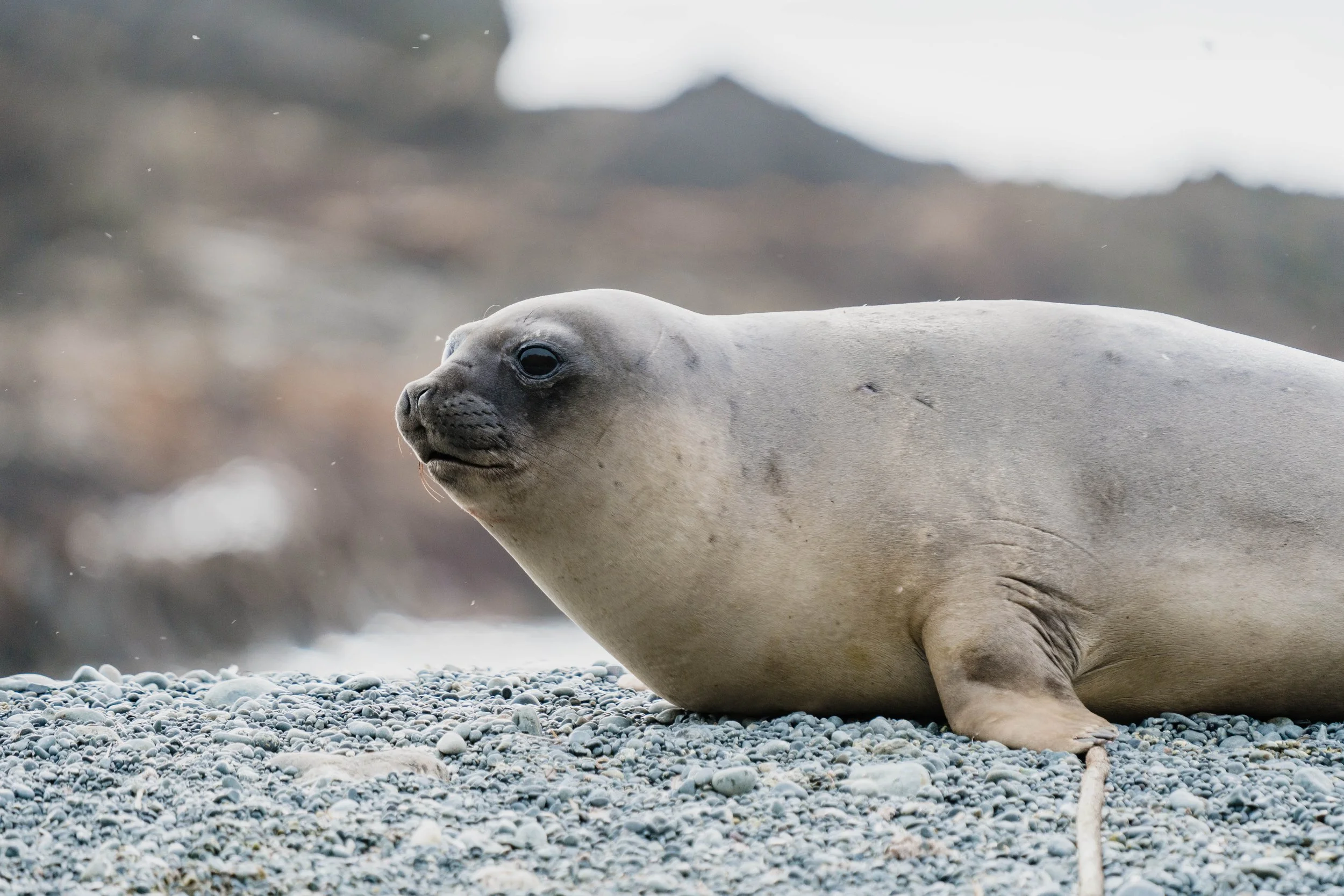
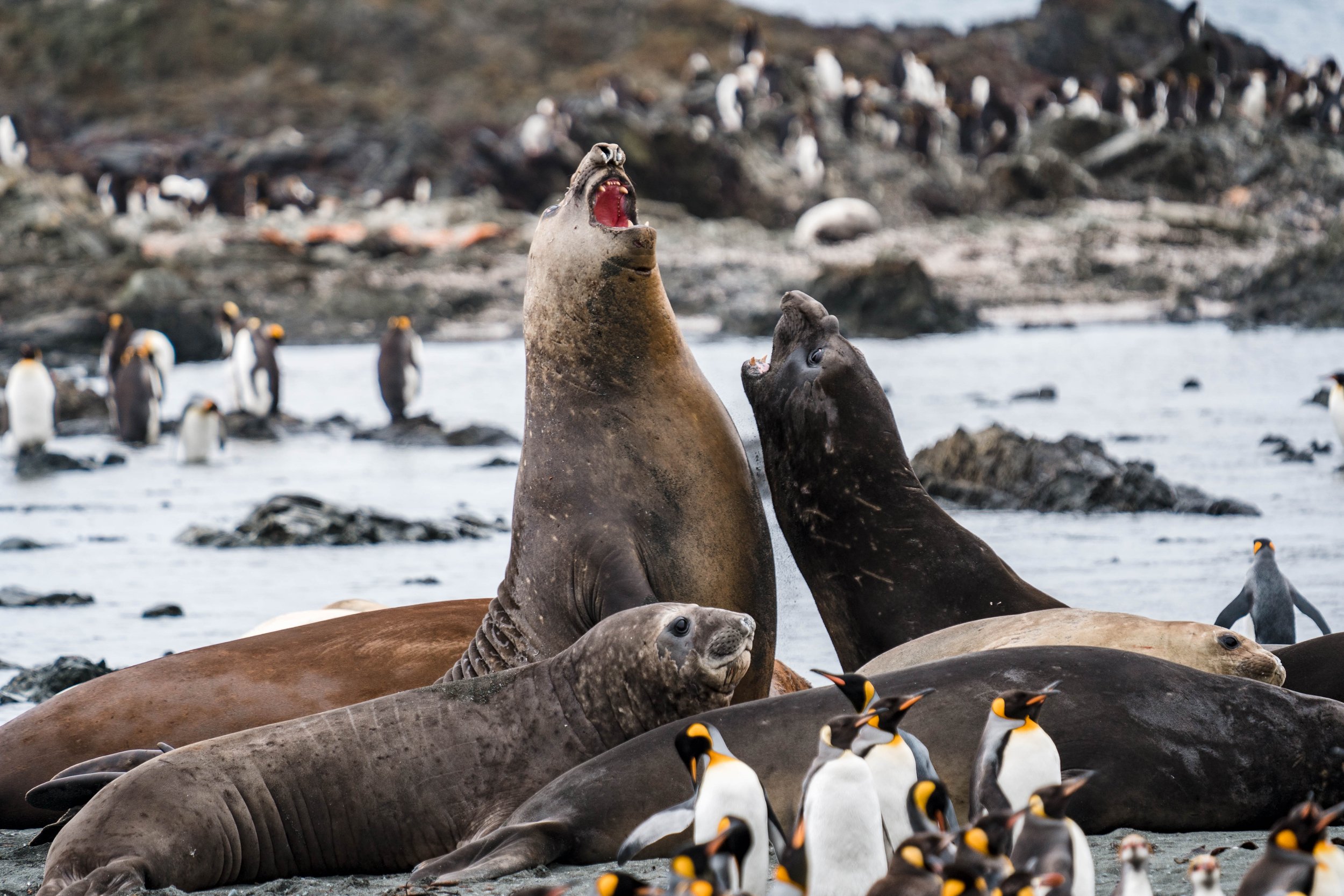
It feels like my life up until this point has culminated to the moment of stepping ashore at Macquarie Island. From now on my memories will be categorised as “before” and “after” Macca. The emotion of being amongst such an abundance of life will never be replaced…
Macquarie Island sits almost alone in the vast Southern Ocean, about halfway between Tasmania and Antarctica, and is one of the truly extraordinary wild places on Earth. Here is the only spot on the planet where rocks from deep within the Earth’s mantle are actively exposed above sea level, thrust up along the Macquarie Ridge where tectonic plates meet.
Uninhabited until its European discovery in 1810 by sealer Frederick Hasselborough, the island was soon named for Lachlan Macquarie, then governor of New South Wales. Almost immediately it became a magnet for sealing crews, and in just a few years tens of thousands of fur seals were slaughtered for their pelts — a commercial bonanza that drove populations to near collapse within a decade. As seal numbers dwindled, hunters turned to elephant seals and penguins, boiling their blubber for oil used in lamps, machinery and tanning. The scale of exploitation was staggering and the industry persisted through the 19th century until licences were finally revoked in 1919 amid growing concern about wildlife loss.
Even amid this era of exploitation, scientific curiosity was already stirring. In 1911 Sir Douglas Mawson’s Australasian Antarctic Expedition established a base on the island, conducting some of the first systematic studies of its climate, geology and biology while also relaying the first radio link between Australia and Antarctica. The horror of the slaughter the expeditions witnessed helped drive a shift in thinking, and by 1933 Macquarie Island was declared a wildlife sanctuary, later becoming a nature reserve and, in 1997, a UNESCO World Heritage Area recognised for its unique geology.
The island’s more recent history has been one of ecological restoration and scientific stewardship. Introduced species brought by sealers, such as rabbits, rats and mice, devastated native vegetation and disrupted breeding habitats for seabirds; a massive eradication program completed in 2014 successfully removed these pests, allowing vegetation and wildlife to rebound. The Australian Antarctic Division has maintained a continuous research station there since 1948, and today the island is both a living laboratory and a conservation success story, populated by millions of seabirds, seals and endemic species that testify to what recovery can look like in even the harshest environments.
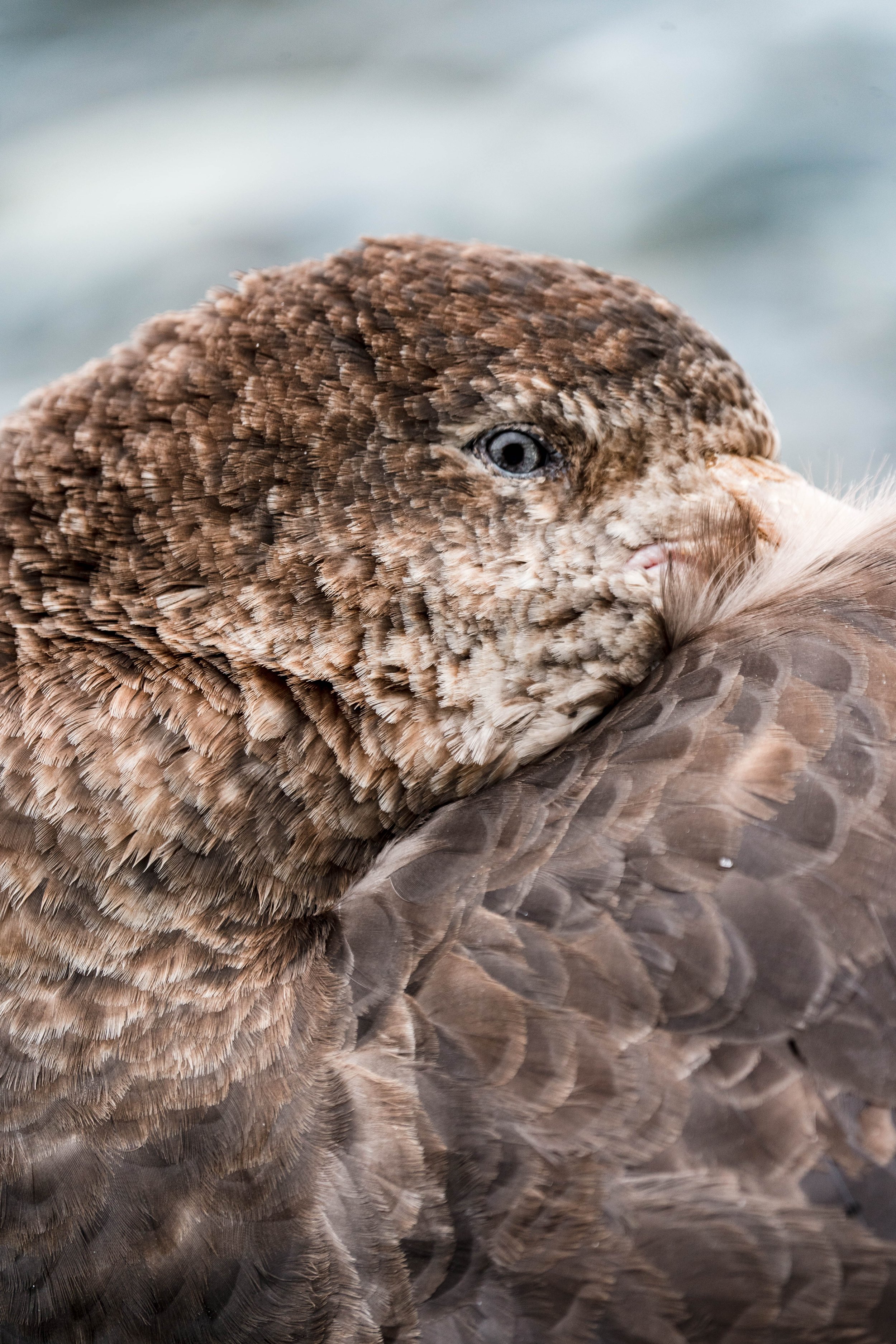
How does one put into words the majesty of this place. You can’t. You simply can’t. I’m sitting here trying to process the moments shared with beautiful creatures that don’t fear me and I’m hit with such emotion. This wild Earth is so wonderful, and every time I venture south I’m reminded of it.