SEA LION MORTALITY IN THE SUB-ANTARCTIC
The ability to perceive order within apparent chaos is the great power of science. There is something incredibly satisfying about turning a seamless picture into a jigsaw puzzle and by seeing and understanding how each piece fits, standing back again and gaining a much deeper appreciation of the unified whole.
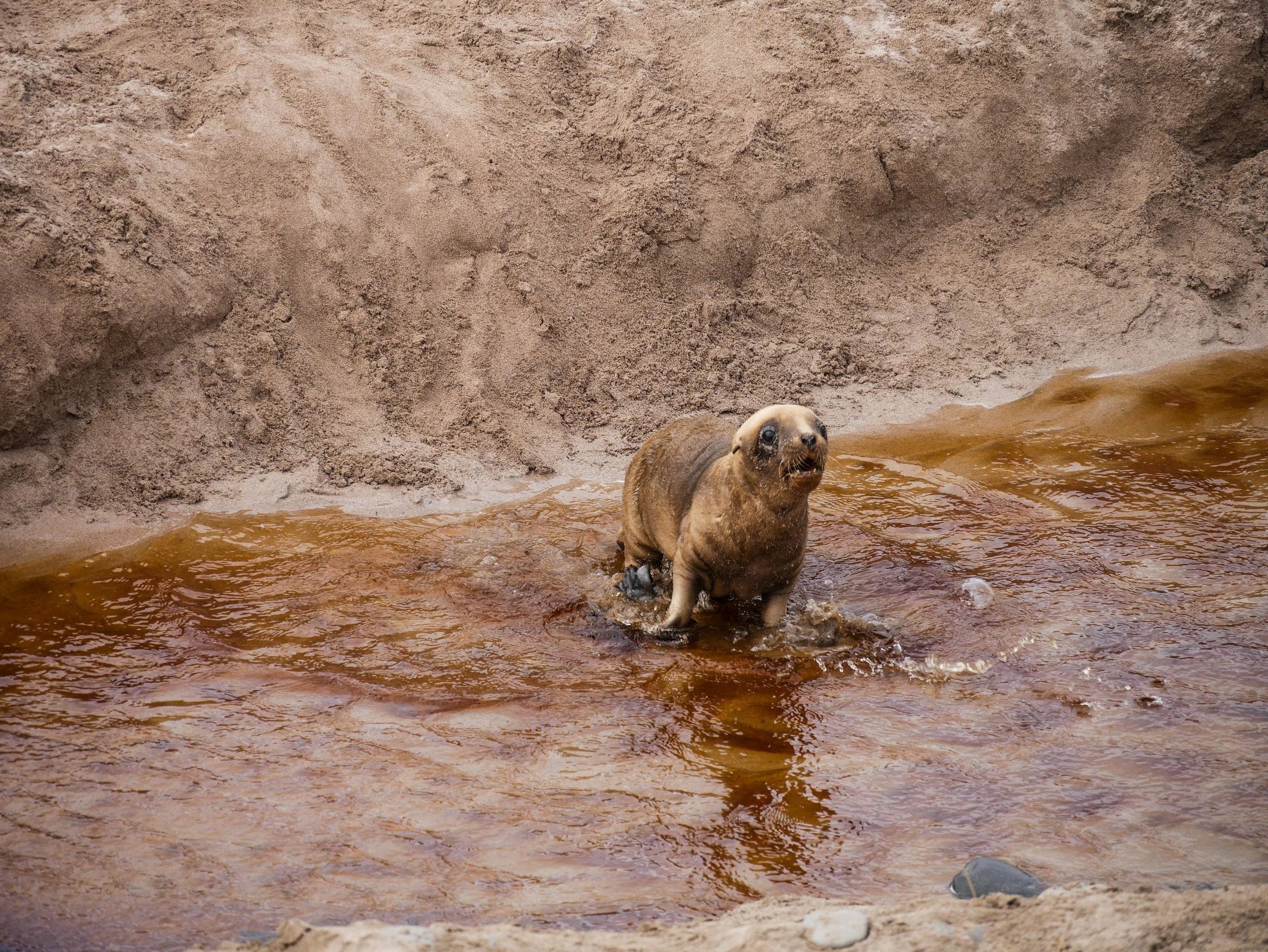
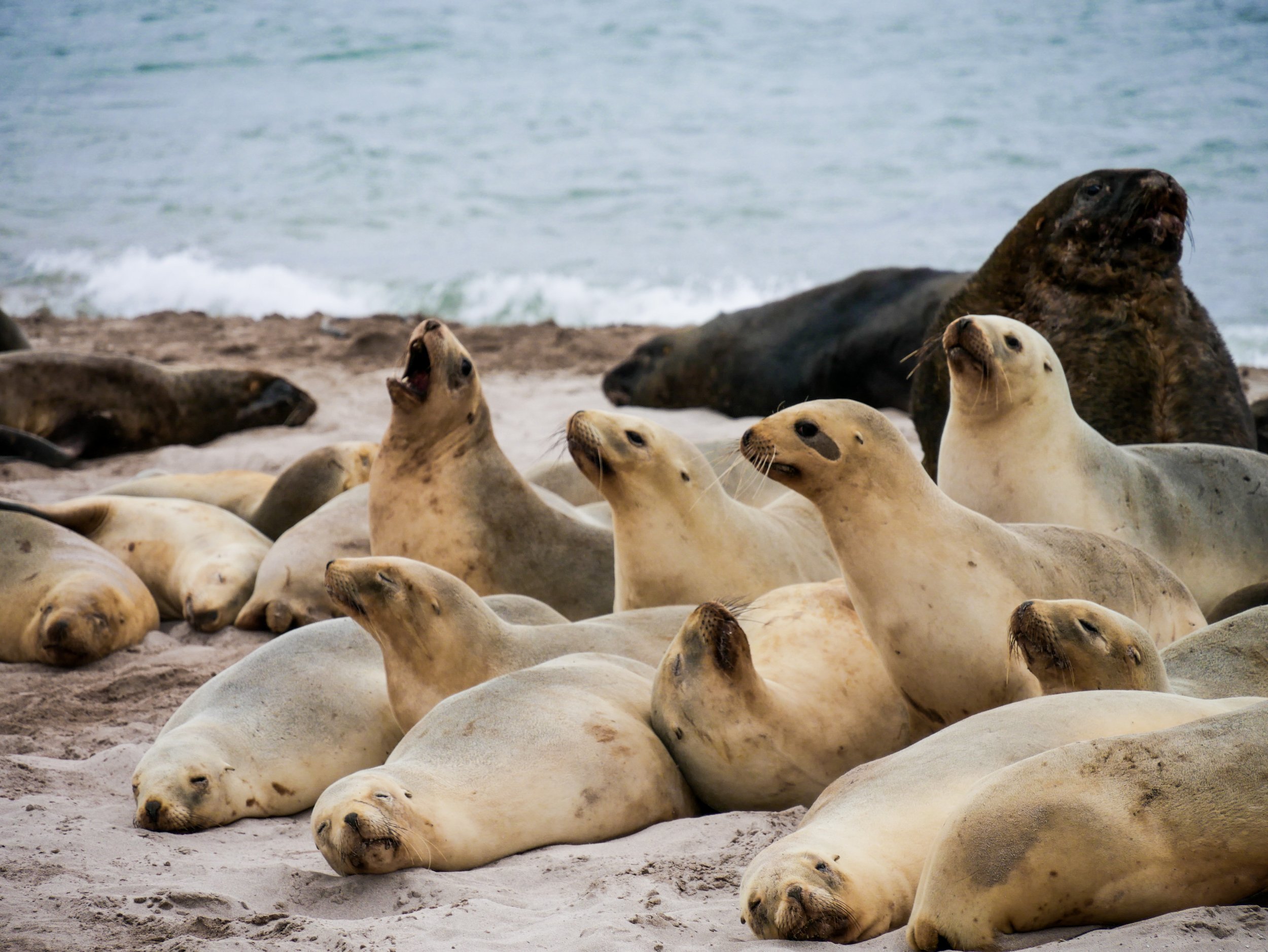
When the opportunity arose to join a field team investigating mortality in New Zealand sea lion/Pakake (Phocarctos hookeri) pups on New Zealand’s remote Sub-Antarctic islands, I didn’t hesitate. Accessible only by boat, they host some of the rarest seabirds and marine mammals on the planet, yet even here the signs of decline are unmistakable. Recent monitoring estimated ~1,376 pups born at the Auckland Islands in 2024/25, a number below the threshold that triggers a review of the New Zealand sea lion Threat Management Plan (TMP), and ~459 pups at Campbell Island, well below historical targets. These figures, coupled with persistent low counts over several seasons, have hastened a formal reassessment of conservation strategies.
Outside of necropsies, active monitoring of this species included daily counts of the colony, identification resights of adult animals, treatment with ivermectin in pups (to reduce hookworm burden and thus limit the risk of Klebsiella), tagging, weighing, sexing and microchipping of pups and terrain trap mitigation across Enderby, Dundas and Figure of Eight Islands. Additionally, to better understand the pressures shaping pup production, field anaesthesia has also been used to deploy satellite tags on adult nursing females (along with collecting milk and blood samples), seeking insights into their foraging patterns/overall health and how these may influence reproductive success. It’s long been recognised that females from these sub-Antarctic colonies undertake extraordinarily extensive foraging trips much farther than their coastal mainland counterparts, and with regular overlaps with fisheries.
Taken together with demographic data indicating a total population in the order of ~10,000 individuals, these trends paint a complex portrait of a species under pressure. Pup counts across recent years now fall consistently below TMP trigger points, prompting us to question whether current protections and management actions are sufficient.
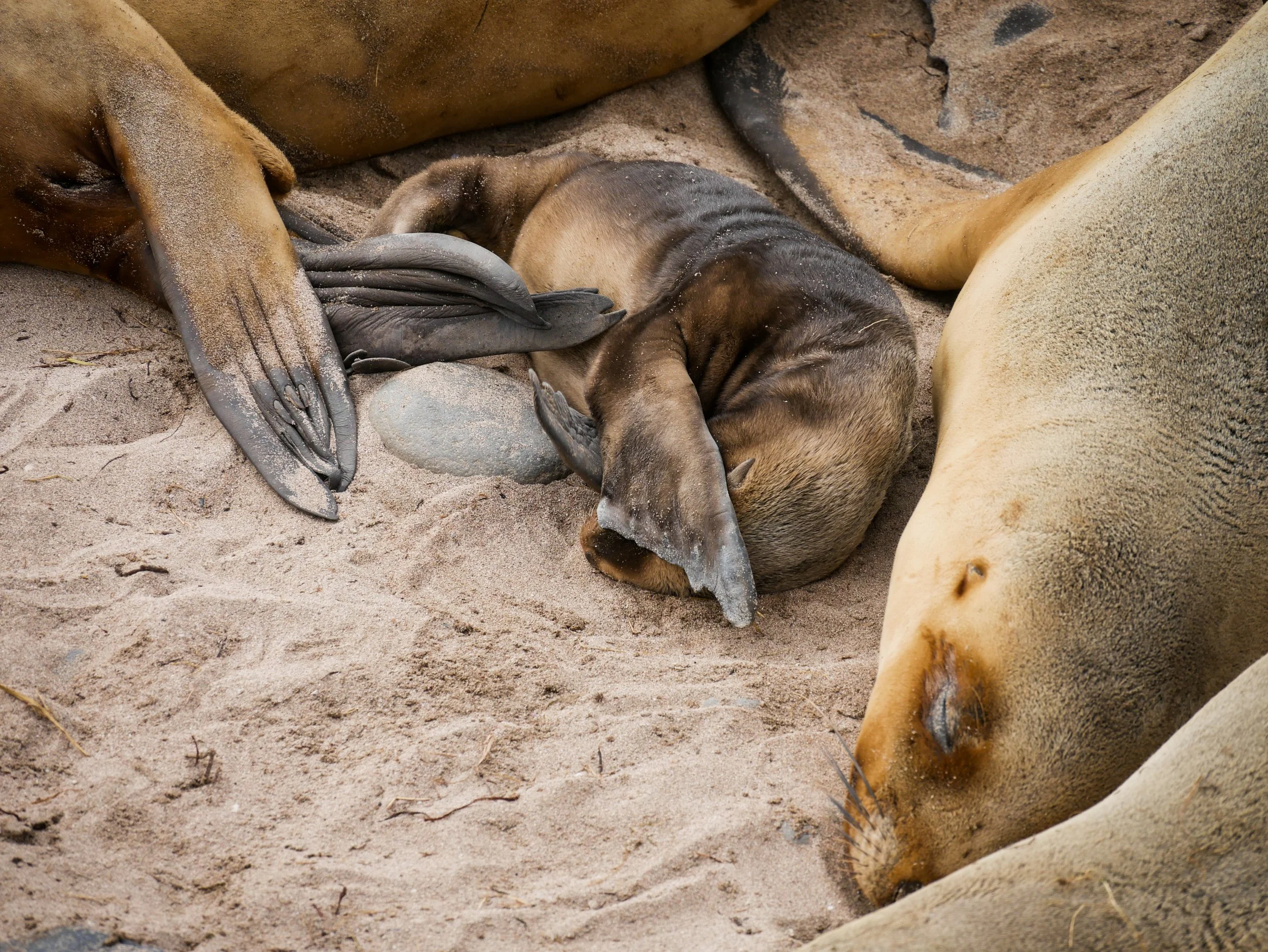
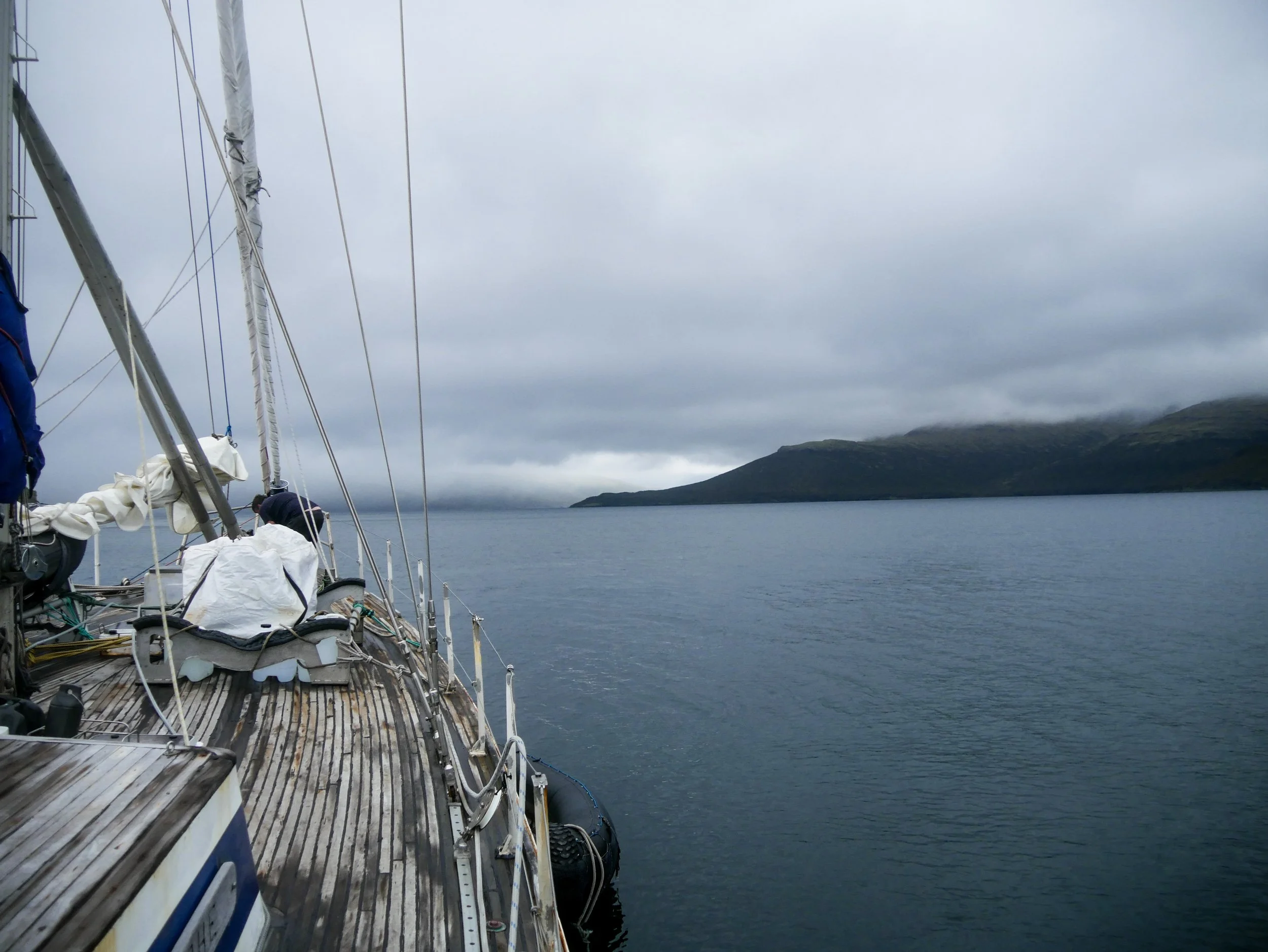
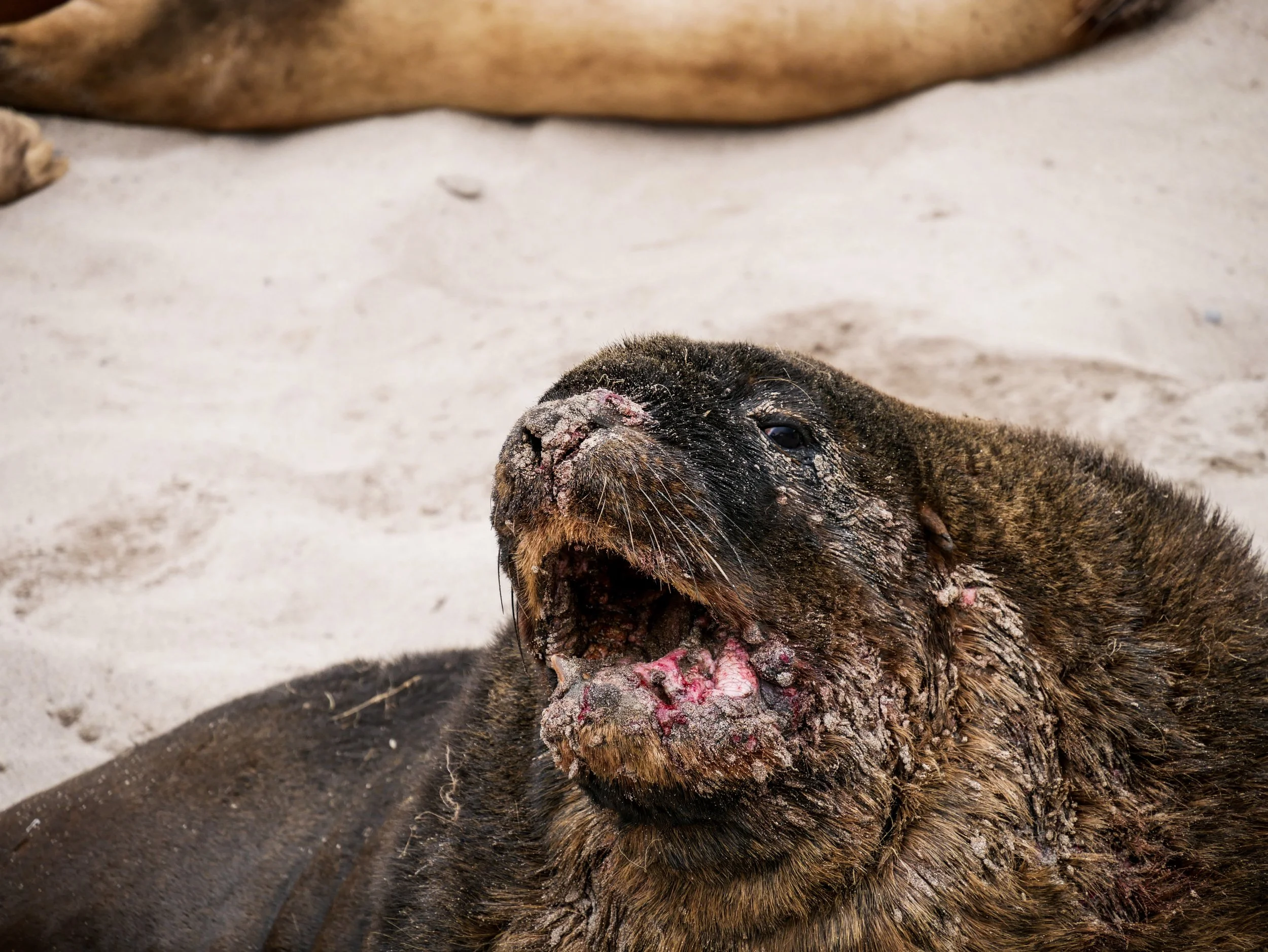

Each day began with systematic patrols of the beach and surrounding sward, searching for evidence of pup mortality. Any deceased pups were uplifted immediately to minimise scavenging by predatory birds and preserve diagnostic integrity. Full post-mortem examinations were conducted as soon as possible, with detailed lesion documentation supported by comprehensive photographic records to determine cause of death.
A complete set of formalin-fixed tissues was collected from each case, alongside select fresh samples snap-frozen in liquid nitrogen. These were sent to Massey University for histopathology and microbiological testing, forming the foundation of our diagnostic investigations and allowing individual losses to contribute meaningfully to a broader understanding of population-level threats.
Known common causes of New Zealand sea lion pup mortality:
Infection. Infectious agents (pathogens) that have been identified as causing or contributing to pup mortality include bacteria such as hypervirulent (HV) Klebsiella pneumoniae and Streptococcus species, and intestinal parasites (hookworm). As yet unidentified viruses may also play a role in sickness and mortality. Because management interventions are possible for some of these pathogens, it is important to get a better understanding of the proportion of deaths occurring due to infection. This is especially relevant to HV K. pneumoniae, as this is the most important cause of death of NZSL pups at Enderby Island. Research conducted by Sarah Michael shows that treatment with ivermectin can improve pup survival when both hookworm and K. pneumoniae are present.
Starvation/exposure. These two factors are related and can be difficult to distinguish at post mortem. Pinniped pups can maintain body temperature by generating heat from body fat stores and from ingested milk. When environmental conditions are extreme, pups that can’t maintain their body temperature above a critical level will die. Deaths due to exposure are more common when pups have a low birthweight, don’t access sufficient milk, or are inactive or weak due to underlying disease. The importance of this latter effect is exemplified by Blix et al., 1979 where 90% of northern fur seal pups that died of exposure had underlying conditions. Exposure can be tentatively diagnosed as a cause of death when multiple pups are found dead within a short time following a severe weather event. Starvation can be a sole cause of death in otherwise healthy pups that don’t receive enough milk (e.g. due to mismothering or death of the mother), and can also occur in conjunction with underlying illness.
Misadventure. Drowning in terrain traps causes a variable number of deaths each year. Crushing of pups by adult sea lions is a consistent cause of death at Enderby Island, especially early in the season when pups are smaller and less mobile, and mating activity is higher. The number of pups dying due to falls varies between years depending on the distribution of the colony as well as early survival.
Stillbirths. These have a large number of potential causes, including toxins, infectious agents and genetic diseases, but the evidence to date suggests that stillbirth is comparatively uncommon in the NZSL population.
Congenital anomalies (birth defects) have been identified as an infrequent cause of death on Enderby Island and are also likely to be uncommon.
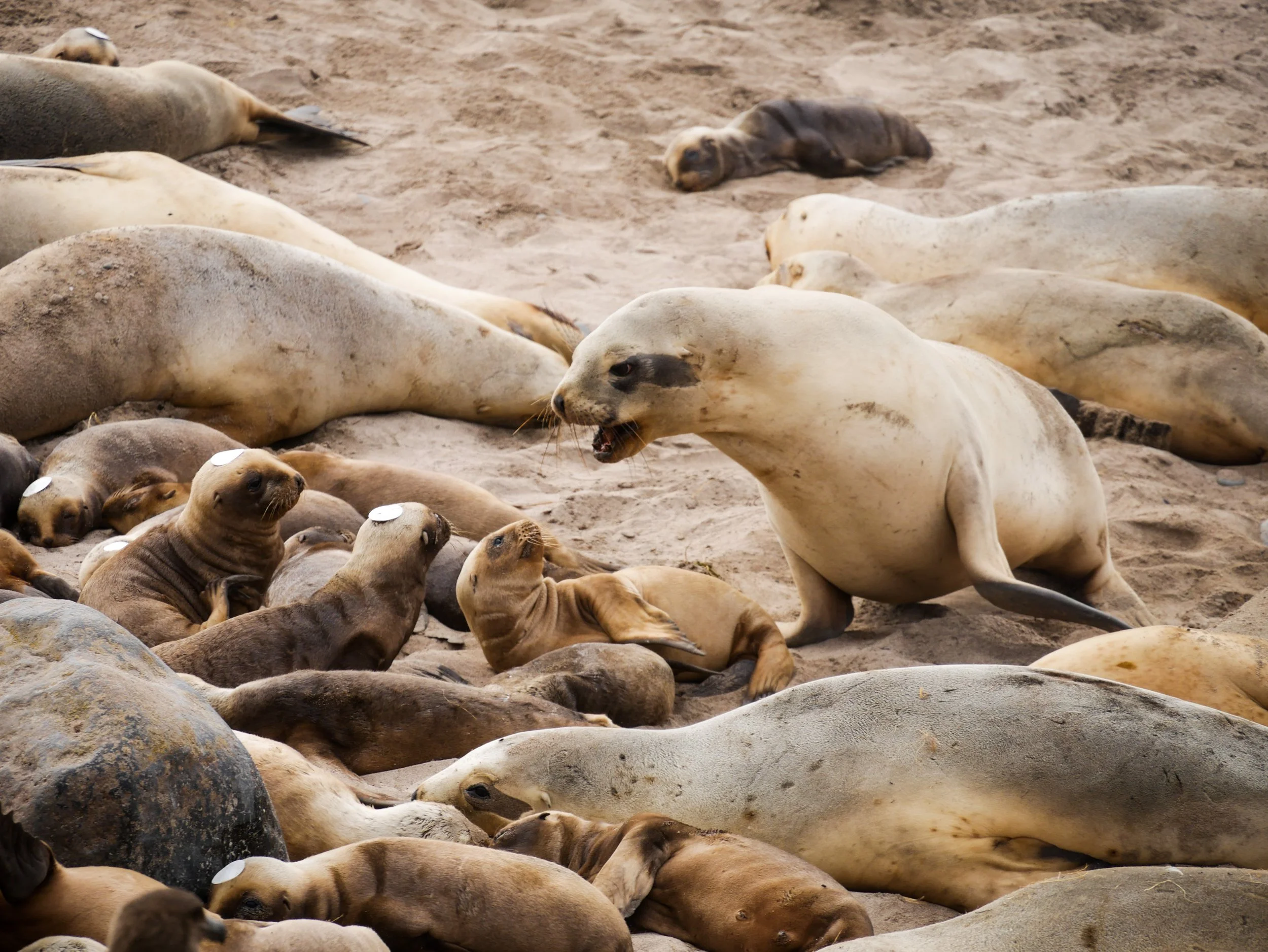
Estimated pup mortality from the 2023/2024 season (10/12/2023 – 21/01/24 and 17/02/24 - 26/02/2024) was approximately 39 pups (17 counted prior to vet arrival, 15 necropsied and 7 too decomposed) equivalating to approximately 12% mortality rate.
The most significant causes of mortality based off gross post-mortem was infection (35% with approximately 57% of cases confirmed as Klebsiella pneumoniae followed by drowning (25%) and drowning/asphyxiation (25%). The necropsy findings in this season were consistent with those of previous necropsy seasons on Enderby Island with no evidence of emerging diseases or highly pathogenic avian influenza.
Due to the lack of long-term monitoring over the past years without a designated necropsy programme it is hard to comment on how the 2023-2024 mortality rate compares to previous seasons. Approximately ten dead pups were counted during the 2022/2023 season (08/12/2022 - 22/01/2023) equivaling to approximately a 4% mortality rate on Sandy Bay despite having the lowest total pup estimate in the history of the monitoring programme (Young & Manno, 2023).
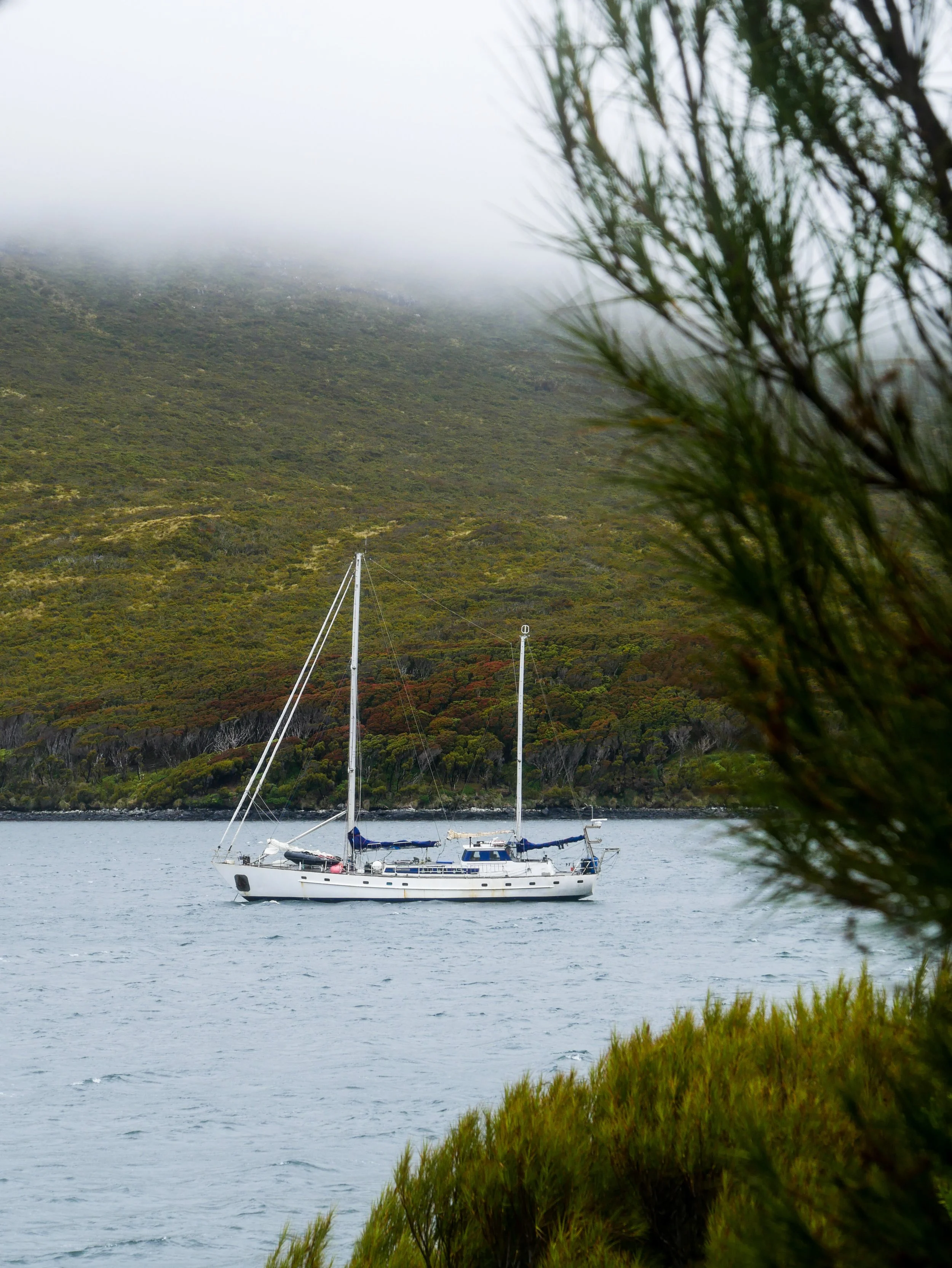

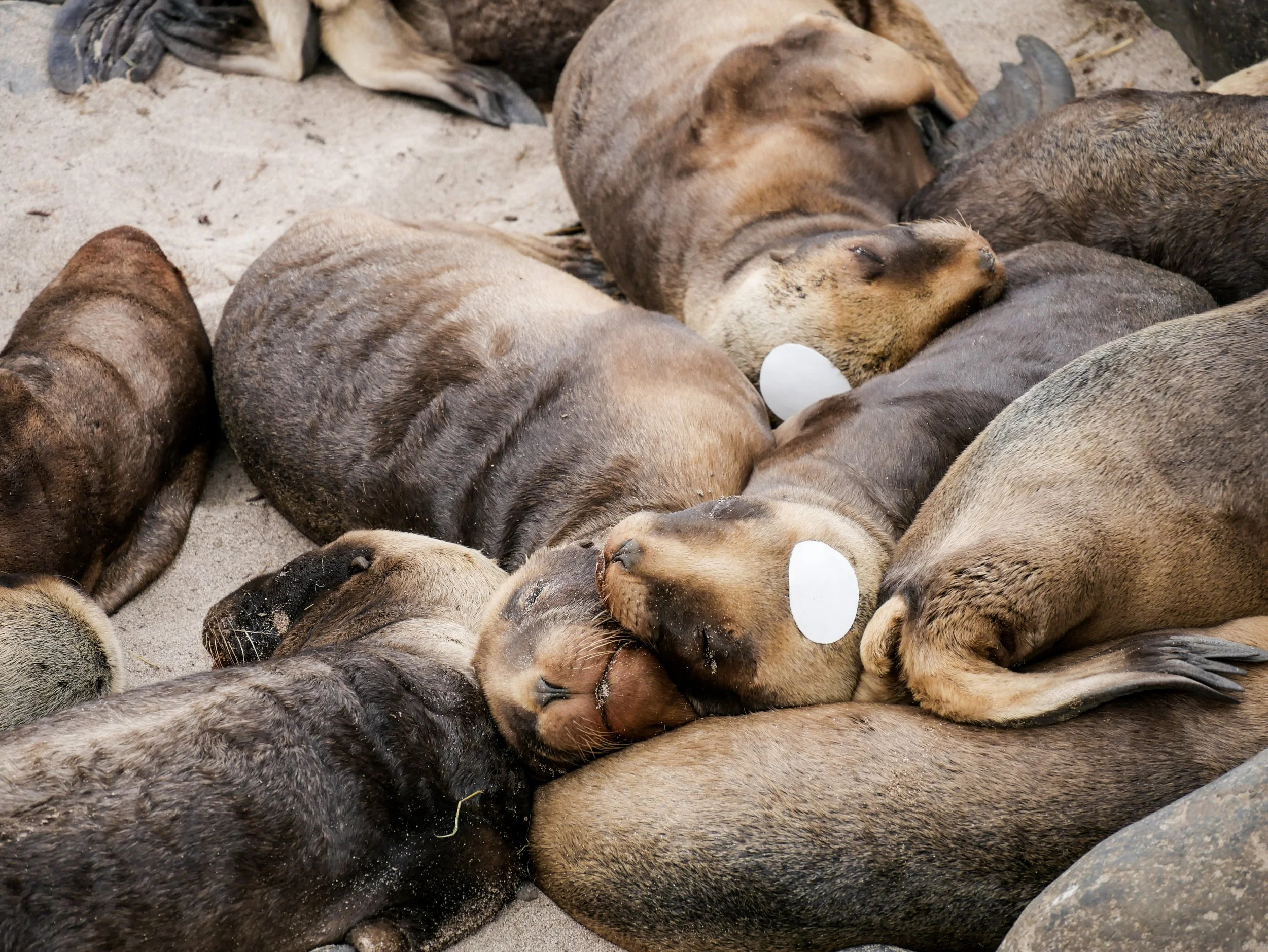
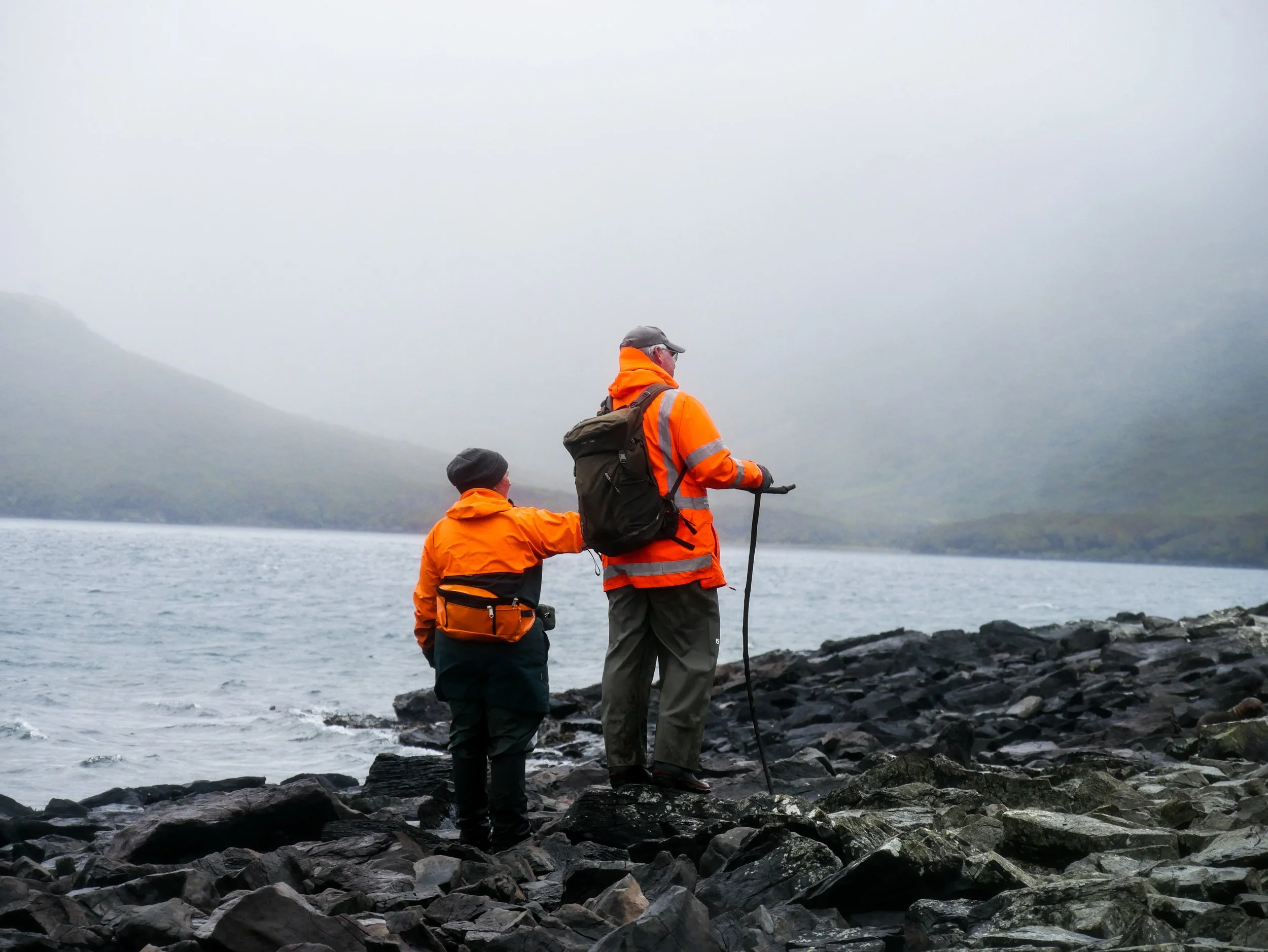
Post-mortems were completed using a standardised protocol used in previous seasons. The preliminary estimate for pup production on Enderby Island, during the 2023/2024 season was 319 pups with 39 pups found dead. Fourteen necropsies were completed, and findings were consistent with those of previous necropsy seasons with the main causes of death summarized as infection, drowning/asphyxiation, starvation/exposure and trauma.
It is hard to comment on how the 2023/2024 NZSL mortality compares to that of recent seasons due to gaps in data with a four-year hiatus in mortality monitoring. That being said, there was no evidence of mass mortality comparable to previous epizootic events. Preliminary gross necropsy findings were consistent with historic findings with no obvious evidence of emerging disease.